Healthy Eating, Responsibility, and Learning at Pathways
Reconnecting food, land, and learning
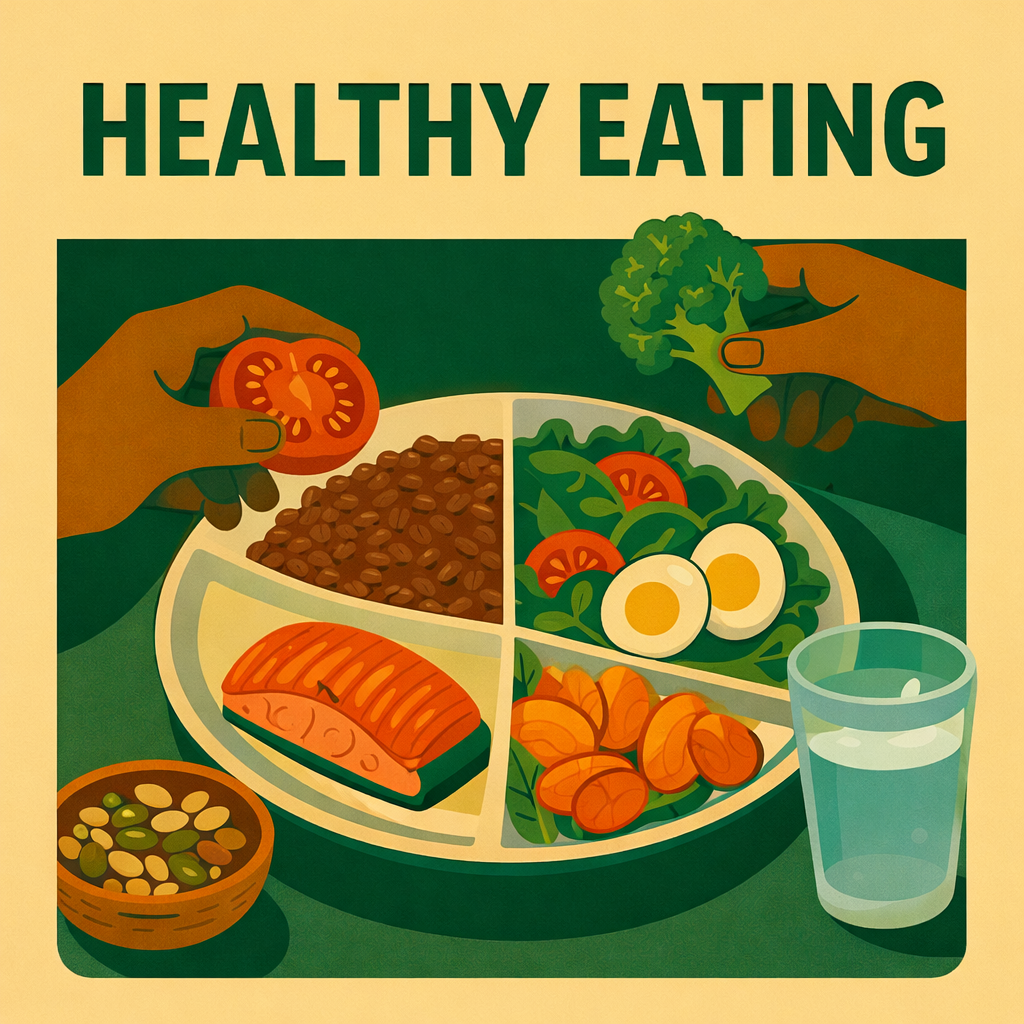
I grew up on a farm where we raised much of our own food. When I share this now, it can sound almost out of touch with the modern world — sometimes even shocking. But at the time, it simply felt normal.
There was a direct, reciprocal relationship with our food. We provided animals with good lives: shelter from harsh winters and hot summers, space to roam, good pasture, and daily care. In return, they provided us with nourishment — sustenance, energy, life force. Eating came with responsibility, and that responsibility was understood from a young age.
Today, most children encounter food almost exclusively through supermarkets. Meat arrives neatly wrapped in plastic. Vegetables travel thousands of kilometres. Ingredients are stripped of season, soil, and story. Food has become abstracted — packaged, sanitised, and disconnected from life itself.
Something important is lost in that process.
When children have no relationship to where food comes from, it becomes much harder to develop a sense of responsibility for what — and how — they eat. Without a connection to land, animals, and growing cycles, eating becomes consumption rather than participation.
At Pathways, we see food not just as fuel, but as a teacher.
What can children learn by growing their own vegetables? By tending a garden through the seasons? By caring for chickens — collecting eggs, understanding protein not as something that appears on a plate, but as the result of daily care? What happens when children learn to preserve food, to can and store what they’ve grown, or to maintain an orchard year after year?
And yes — part of ecological living is also understanding that eating often involves the respectful processing of animals raised for food. This isn’t about shock or spectacle. It’s about honesty. When children understand that nourishment involves real life cycles — not just convenience — it tends to foster gratitude, restraint, and care rather than detachment.
This connection matters not only ethically, but cognitively.
A growing body of research shows that nutrition has a direct and measurable impact on learning, attention, and emotional regulation in children and adolescents. Comprehensive reviews link overall diet quality with brain development and cognitive function, showing that diets based on whole foods support memory, attention, and learning capacity
(see “Nutrition and brain development in children”, Nutrients):
https://www.ncbi.nlm.nih.gov/pmc/articles/PMC6520897/
More specifically, children who consume higher-quality diets demonstrate better academic performance and classroom engagement
(“Diet quality is associated with academic performance in children”, Frontiers in Human Neuroscience):
https://www.frontiersin.org/articles/10.3389/fnhum.2017.00409/full
Stable blood glucose levels — supported by balanced meals rather than spikes of refined carbohydrates and sugar — are associated with improved sustained attention. Omega-3 fatty acids, found in foods such as eggs, fish, nuts, and seeds, have been linked to improved executive function, working memory, and behavioural regulation
(“Omega-3 fatty acids and cognitive function in children”, Nutrients):
https://www.ncbi.nlm.nih.gov/pmc/articles/PMC6835948/
Diet quality is also closely tied to emotional wellbeing. Higher intake of fruits and vegetables correlates with better mental health outcomes and lower psychological distress in children and adolescents
(“Fruit and vegetable consumption and mental health in children and adolescents”, BMJ Open):
https://bmjopen.bmj.com/content/10/10/e038131
In other words, what children eat meaningfully shapes how well they are able to focus, regulate emotions, persist through challenge, and engage deeply with learning — academically, socially, and emotionally.
Against this backdrop, the rise of ultra-processed foods (UPFs) is concerning. These foods — engineered for convenience, shelf life, and hyper-palatability — are increasingly associated with poorer health outcomes and higher risks of cognitive and mental health challenges
(“Ultra-processed foods and health outcomes: a systematic review”, BMJ):
https://www.bmj.com/content/365/bmj.l1949
While ultra-processed foods disproportionately affect disadvantaged communities, they are now common across all socioeconomic groups. This matters because learning does not happen in isolation. Diets that undermine physical regulation also undermine focus, emotional balance, and the capacity for sustained, meaningful engagement in school.
At Pathways, healthy eating is not a rulebook or a moral stance. It is a practice.
We imagine students helping grow part of their own lunch: regenerative gardens producing seasonal vegetables, chickens providing eggs and protein, water-recycling systems feeding the gardens, orchards yielding fruit year after year. Students will learn not just how to grow food, but how to preserve it, cook it, and share responsibility for it.
This is ecological living in action — one of the core pillars of Pathways.
As the world accelerates toward automation, algorithm-generated shopping lists, and AI-designed meal plans, these skills matter more, not less. Knowing how to nourish yourself — and understanding the relationship between food, land, body, and mind — is a form of literacy. It supports sustained focus, emotional balance, physical health, and a deeper sense of agency.
Healthy eating doesn’t just support learning at school. It supports better relationships, stronger attention, greater resilience, and a clearer connection to the world around us.
At Pathways, we want students to leave not only future-ready, but grounded — capable of thinking deeply, working with their hands, and caring for themselves and their environment in ways that are both ancient and urgently relevant.
With gratitude,
Rob
About Rob & The Pathways School
Rob Wilson is an educator, writer, and father of two with over 20 years of experience in international, progressive, and experiential education. From rural Maine to Hong Kong, and now Spain, his journey has always revolved around one question: how can we help young people learn in ways that are meaningful, joyful, and truly prepare them for the future?
Born out of this question, The Pathways School is Rob’s answer. Launching in Southern Spain in 2027, Pathways is a high school that blends personalized, project-based learning with real-world readiness and ecological living. At Pathways, students design their own educational journeys—with the guidance of mentors, experts, and peers—rooted in curiosity, purpose, and deep connection to the world around them.
To follow the journey or get involved, subscribe to the blog or reach out. Let’s build something better—together.